
The Science of Stress: What Happens in Your Body
Stress isn't just "in your head"—it creates real, measurable changes throughout your entire body. As a nurse, I've watched stress manifest in countless physical symptoms, from elevated blood pressure to digestive issues. Understanding what's happening inside can help you take control.
The Stress Response: Fight or Flight
When you perceive a threat—whether it's a car swerving toward you or an angry email from your boss—your brain triggers the same ancient survival mechanism. Here's what happens in milliseconds:
- 1.Amygdala sounds the alarm: This almond-shaped region of your brain detects the threat and sends a distress signal.
- 2.Hypothalamus activates: It triggers your autonomic nervous system, releasing adrenaline from your adrenal glands.
- 3.Body prepares for action: Heart rate increases, blood pressure rises, breathing quickens, muscles tense.
- 4.Cortisol floods your system: If the threat persists, cortisol (the "stress hormone") keeps your body on high alert.
When Stress Becomes Chronic
The stress response is designed to be temporary. Problems arise when we're constantly stressed and our bodies never return to baseline. Chronic elevated cortisol can lead to:
- • Weakened immune system: You get sick more often
- • Digestive problems: IBS, acid reflux, appetite changes
- • Cardiovascular strain: High blood pressure, increased heart disease risk
- • Weight gain: Especially around the midsection
- • Sleep disruption: Difficulty falling or staying asleep
- • Memory and focus issues: Cortisol can damage the hippocampus
- • Mood changes: Anxiety, irritability, depression
Activating Your Relaxation Response
The good news: just as your body has a stress response, it also has a built-in relaxation response. Here's how to activate it:
Deep Breathing
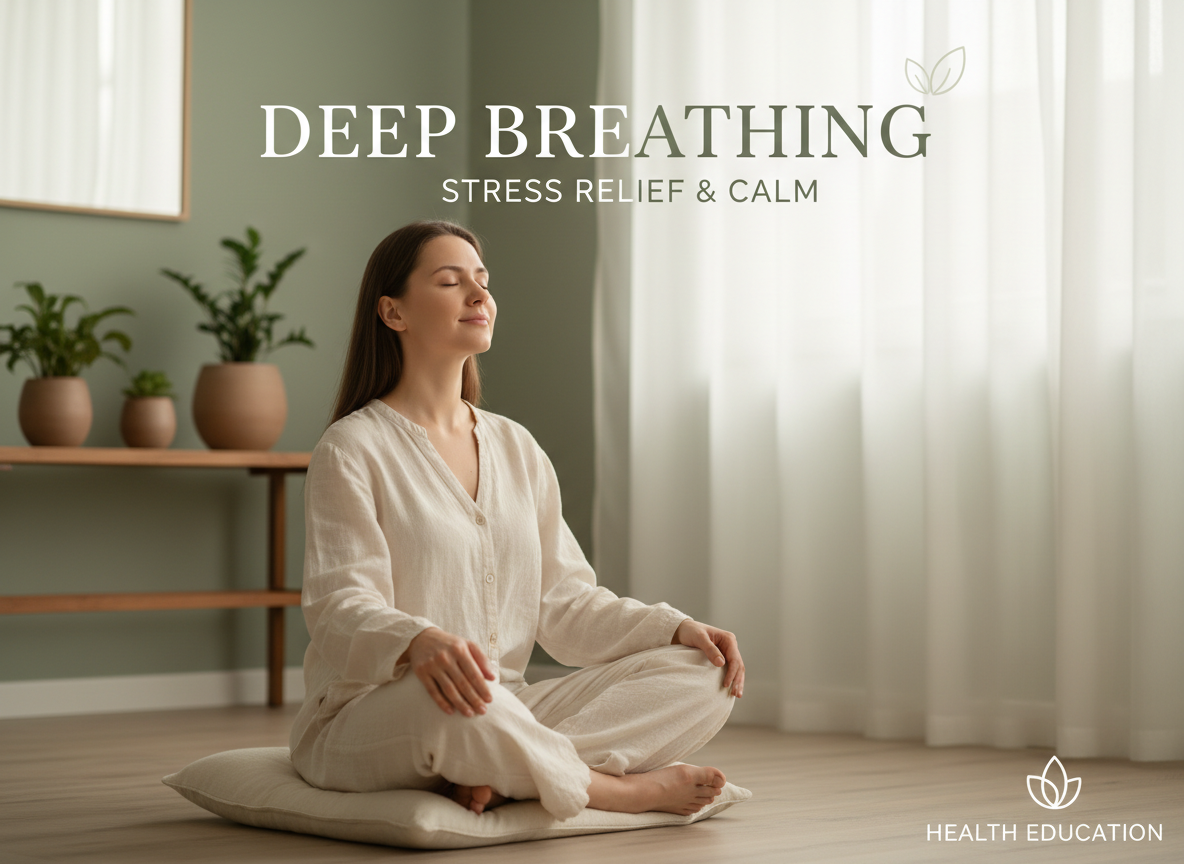
Slow, deep breaths activate your parasympathetic nervous system (the "rest and digest" mode). Try the 4-7-8 technique: inhale for 4 counts, hold for 7, exhale for 8.
Progressive Muscle Relaxation
Systematically tense and release muscle groups from your toes to your head. This breaks the tension-holding pattern that stress creates.
Movement
Physical activity burns off stress hormones and releases endorphins. Even a 10-minute walk can shift your body out of stress mode.
A Nurse's Perspective
I've seen patients dramatically improve their health markers simply by implementing daily stress management practices. Your body wants to heal—sometimes you just need to give it the chance by stepping out of chronic stress mode.
Ready to manage stress better? Get our Stress Relief Toolkit:
Download Free Resources